
Subfloor Repair Services

Subfloor Repair Services in Dothan, AL
Every finished floor sits on a subfloor. Tile, hardwood, vinyl, laminate, and carpet all depend on the layer beneath them being flat, dry, and structurally sound. When the subfloor fails, the finished floor fails with it — tile cracks, planks lift, and carpet starts to smell. Replacing the surface without fixing the layer underneath produces the same result within a season.
We repair subfloors across the Wiregrass, and we treat the subfloor as the foundation of the entire floor system rather than an afterthought. If you have a soft spot, a squeak, or a floor that moves underfoot, you can request a subfloor repair estimate and we will assess the structure before quoting.
What the Subfloor Actually Does
The subfloor is the structural layer that sits on top of the joists and beneath the finished flooring. It carries the load of everything above it and provides a flat, stable base for whatever goes on top.
It carries the load. Furniture, appliances, foot traffic, and the finished flooring itself all rest on the subfloor. A subfloor that has softened or delaminated cannot carry that load, and the floor above it starts to move .
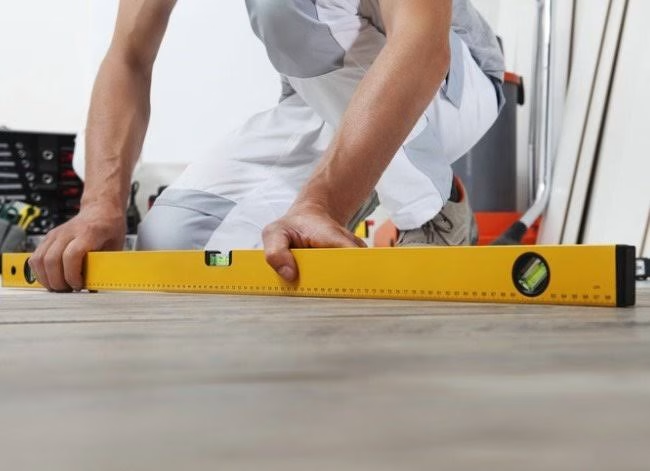
It provides flatness. Tile and rigid vinyl need a flat surface. Hardwood needs a flat surface. Even carpet looks better over a flat subfloor. When the subfloor is uneven, the finished floor telegraphs every dip and hump.
It separates the finished floor from moisture. On pier-and-beam foundations, the subfloor is the barrier between the crawl space below and the flooring above. When moisture rises from the crawl space, the subfloor absorbs it first.
It anchors the finished floor. Nails, staples, and adhesive all rely on a sound subfloor to hold. A soft or damaged subfloor cannot hold fasteners, and the finished floor loosens over time.
Signs the Subfloor Has Failed
The subfloor rarely fails without warning. The signs show up in the finished floor first, but they point to the layer beneath.
Soft or spongy spots underfoot. The most direct sign. When you step on a spot and it gives slightly, the subfloor has lost strength. Soft spots near bathrooms, kitchens, and exterior walls are the most common .
Bouncy or trampolining floors. A floor that moves when you walk on it usually means the joists or the subfloor have weakened. This is different from a squeak — a bounce means the structure is flexing .
Squeaks and creaks. Boards rubbing against each other or against a joist. Squeaks can be a fastening problem, but in older homes they often point to a subfloor that has loosened over decades.
Uneven or sloping floors. A floor that slopes toward one side of the room, or that has a noticeable dip in the middle. This can mean the subfloor has settled, the joists have sagged, or moisture has caused the structure to move.
Visible water stains or musty odors. Dark stains on the subfloor visible from below, or a persistent musty smell in the room above. Both point to moisture reaching the subfloor from a leak or from the crawl space .
Cracked or loose tile. Tile cracks along a line, or tiles sound hollow when tapped. The substrate beneath has moved or failed, and the tile above is showing the symptom .
What Causes Subfloor Damage
Subfloor damage has a small number of causes, and each one leaves a different pattern.
Moisture from the crawl space. The most common cause in Alabama homes. High humidity and heavy rainfall push moisture into crawl spaces, and that moisture reaches the subfloor from below . Over time, the wood softens and the joists weaken.
Plumbing leaks. A slow leak under a sink, behind a toilet, or under a dishwasher soaks the subfloor around it. The damage stays hidden until the floor above starts to soft or stain.
Roof or window leaks. Water that enters from above and travels down can reach the subfloor before it shows on the ceiling. By the time the floor feels soft, the leak may have been running for months.
Poor ventilation. A crawl space without adequate ventilation traps moisture. The subfloor stays damp, and rot develops over time .
Settling and joist movement. Older homes settle. Joists sag. The subfloor follows the joists, and the floor above follows the subfloor.
Previous flooring installed over a bad substrate. When new flooring goes down over a subfloor that was already failing, the failure shows through faster. The old problem was never fixed.
How We Assess a Subfloor
The assessment decides whether the repair is a small fix or a structural job. We look at the subfloor from above and below.
From above. We check for soft spots, movement, and unevenness. We look at the finished floor for signs of what is happening beneath it.
From below. On pier-and-beam homes, we access the crawl space and inspect the joists, the subfloor panels, and the insulation. We look for rot, moisture staining, mold, and pest damage .
Moisture testing. We check the moisture content of the subfloor and the joists. If the readings are high, the moisture source has to be addressed before any repair will hold.
Joist inspection. The subfloor sits on the joists. If the joists have sagged or rotted, repairing the subfloor alone will not solve the problem. The joists may need sistering, bracing, or replacement .
Cause identification. We identify where the moisture or movement is coming from. Repairing the subfloor without fixing the cause produces the same damage again.
Subfloor Repair Options
The repair depends on what failed and how extensive the damage is.
Localized subfloor replacement. When a small section of subfloor is damaged, we cut out the affected area and replace it with matching material. This is common around toilets, sinks, and other leak points.
Full subfloor replacement. When the damage covers a large area or the subfloor has failed across a room, the entire subfloor may need to come up. This is a larger scope and often includes joist inspection and repair .
Joist repair and sistering. When the joists have sagged or rotted, we sister new lumber alongside the damaged joist or replace the affected section. This restores the structural support the subfloor needs.
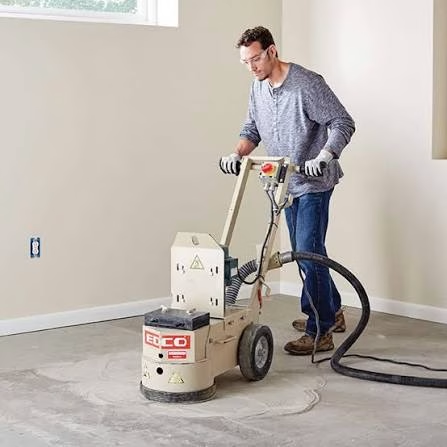
Floor leveling. After the subfloor is sound, we level it. Self-leveling compound or shimming corrects dips and humps so the finished floor goes down flat .
Moisture barrier installation. In crawl spaces, a vapor barrier stops moisture from reaching the subfloor. This is often part of the repair scope on pier-and-beam homes.
Crawl space ventilation. Improving airflow in the crawl space reduces the moisture that reaches the subfloor. This is a preventive measure as much as a repair.
Why Alabama Homes See Subfloor Problems So Often
Local conditions drive subfloor damage in the Wiregrass. The same problems show up repeatedly.
Humid subtropical climate. Alabama’s humidity and rainfall create conditions where moisture reaches the subfloor from below and from the air . Crawl spaces stay damp, and the wood above them absorbs that moisture.
Clay soil that moves. The soil expands when wet and shrinks when dry. That movement stresses foundations and can cause the structure above to shift .
Older housing stock. Many homes in the region have subfloors that have been in place for decades. Fasteners loosen, wood ages, and small leaks accumulate over time.
Air conditioning condensation. In humid climates, AC units and ductwork produce condensation. If that moisture reaches the subfloor, it creates a constant damp spot that never dries .
Plumbing that has aged. Older pipes and fixtures leak. The subfloor around bathrooms and kitchens absorbs that moisture, and the damage stays hidden until the floor above shows it.
How a Subfloor Repair Project Runs
1. Assessment. We inspect the subfloor from above and below, check for moisture, and identify the cause. This is where we determine whether the repair is local or structural.
2. Written estimate. The quote separates diagnosis, labor, materials, joist work, and moisture correction so each part is visible.
3. Cause correction. If moisture is the cause, we address it first — plumbing repair, crawl space ventilation, or a vapor barrier. Repairing the subfloor without fixing the source fails.
4. Removal. The damaged subfloor section or the finished flooring above it comes up. Flooring removal and disposal are part of the scope when the finished floor has to come out.
5. Joist repair (if needed). If the joists are damaged, we repair or sister them before the new subfloor goes down.
6. Subfloor installation. New subfloor panels are cut, fitted, and fastened to the joists.
7. Leveling. The repaired area is leveled to match the surrounding subfloor so the finished floor goes down flat.
8. Walkthrough. We walk the repaired area with you and confirm the subfloor is sound and flat before any finished flooring goes back down.
Subfloor Repair During Floor Replacement
Subfloor repair is often part of a larger project. When a finished floor is being replaced, the subfloor is exposed, and any damage becomes visible.
During a floor replacement, the old flooring comes up and the subfloor is inspected. If damage is found, the repair happens before the new floor goes down. This is the most efficient time to address subfloor problems because the finished floor is already coming out.
If the project is part of a larger renovation, flooring for remodels is sequenced so subfloor repair happens before new flooring is installed. If the project involves structural changes, our flooring contractor page explains the broader scope.
Areas We Serve
We provide subfloor repair services across the Wiregrass region. The links below go to location pages with details for each community.
For broader residential projects, see our residential flooring services page. If you are outside these communities, contact us to confirm whether your location is within our service area.
Frequently Asked Questions
How do I know if my subfloor is damaged?
Soft or spongy spots, bouncy floors, squeaks, uneven surfaces, and musty odors all point to subfloor problems. The finished floor often shows the signs before the subfloor is visible. An inspection from below confirms what is happening.
Can I replace flooring without fixing the subfloor?
No. New flooring over a damaged subfloor fails the same way the old floor did. Tile cracks again, planks lift again, and the money spent on the new floor is wasted. The subfloor has to be sound first.
What causes subfloor damage in Alabama homes?
Moisture is the main cause. Crawl space humidity, plumbing leaks, roof leaks, and AC condensation all reach the subfloor and soften the wood over time. Poor ventilation and clay soil movement contribute as well .
Does subfloor repair require removing the finished floor?
Usually, yes. To access and repair the subfloor, the finished flooring above it has to come up. In some cases, a repair from below is possible, but that depends on access and the extent of the damage.
Can a soft spot be repaired without replacing the whole subfloor?
Often, yes. Localized damage can be cut out and replaced. If the damage is widespread or the joists are affected, a larger scope may be necessary .
How much does subfloor repair cost?
Costs vary by scope and location. Local cost data for the Dothan area puts subfloor repair in a range that depends on the extent of damage and whether joist work is involved . A written estimate gives the real number for your floor.
Do you repair joists as well as the subfloor?
Yes. If the joists have sagged or rotted, repairing the subfloor alone will not solve the problem. We assess the joists during the inspection and include repair in the scope if needed .
Do you install a vapor barrier in the crawl space?
When moisture from the crawl space is the cause, a vapor barrier and improved ventilation are often part of the repair scope. Without addressing the moisture source, the new subfloor will eventually fail the same way.