
Carpet Installation

Carpet Installation in Dothan, AL
Carpet gets judged by what you can see — the color, the pile, the texture. But the parts that decide how a carpet feels and how long it lasts are the parts you never see. The pad underneath. The way it is stretched. Where the seams fall. Whether the installer took the time to power-stretch it rather than kick it into place.
We install carpet across the Wiregrass with those invisible layers treated as the main event, not an afterthought. If you are planning a carpet project, you can request a carpet installation estimate and we will assess the rooms and subfloor before recommending anything.
Why the Pad Matters as Much as the Carpet
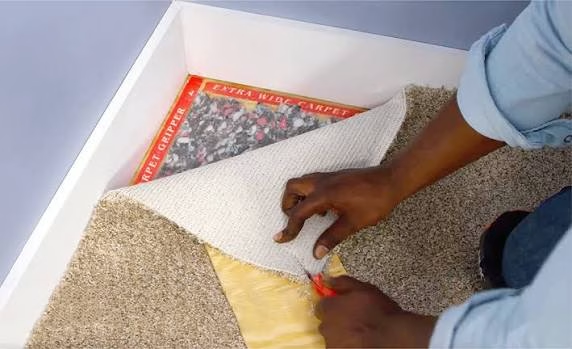
The pad is the layer between the carpet and the subfloor. It determines how the carpet feels underfoot, how long it lasts, and how quiet the room is.
Cushion and comfort. A thicker pad makes cheaper carpet feel better. A thin pad makes expensive carpet feel flat. The pad absorbs foot traffic and protects the carpet backing from grinding against the subfloor .
Lifespan. Carpet wears from the bottom up. The backing rubs against the subfloor every time someone walks on it. A good pad absorbs that friction, and a cheap pad lets the backing wear out before the carpet face shows any wear at all.
Sound and insulation. Carpet and pad together reduce noise between floors and within a room. This is why carpet remains common in bedrooms and upper floors even when hard flooring dominates the rest of a house.
Moisture barrier. Some pads include a moisture barrier that keeps spills from reaching the subfloor. In homes with slab foundations, this matters. On slabs, we test for moisture before installation and specify a barrier pad when readings call for one.
Pad thickness and density. Thicker is not always better. A pad that is too thick can make the carpet feel unstable underfoot and can void some carpet warranties. Density matters more than thickness for durability. The right pad depends on the carpet and the room.
Stretch, Seam, and Tack: The Installation Details That Decide the Result
Carpet installation has three steps that separate a floor that lasts from one that ripples within a year.
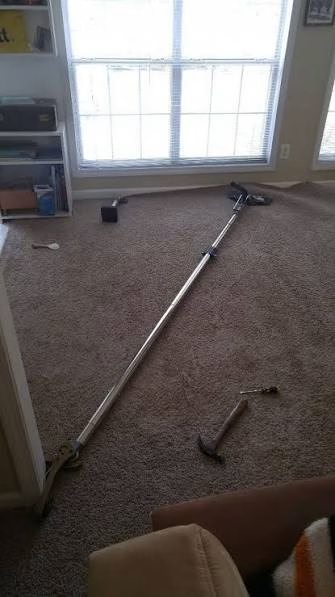
Power-stretching. Carpet is stretched over tack strips along the walls. A knee-kicker alone does not stretch carpet tight enough for most rooms. Power-stretching pulls the carpet taut so it does not loosen over time. Loose carpet wrinkles, and wrinkles cause premature wear along the crease lines.
Seam placement. Carpet comes in rolls of fixed width. Rooms wider than the roll need a seam. Where that seam goes matters. Good installers place seams away from high-traffic paths, away from direct light, and parallel to the main window rather than across the room. A poorly placed seam is the first thing that fails.
Tack strips and transitions. Tack strips grip the carpet along the perimeter. Transitions between carpet and hard flooring need proper trim so the edge stays put. Floor repair handles any transition issues on existing floors.
Stair work. Stairs are the most labor-intensive part of a carpet job. Each tread and riser has to be wrapped and secured, and the pad has to be attached so it does not shift. Carpet on stairs needs a specific installation method, and it is one of the reasons carpet remains popular on stairs even in homes with hard floors elsewhere.
Which Carpet Fits Which Room
Carpet is not one product. The fiber, the pile, and the backing all change what a carpet is good at.
Bedrooms. Comfort and quiet matter most. Plush or textured carpet in a soft fiber suits bedrooms, and the lower traffic means the carpet can be plusher without wearing out fast. Carpet installation in bedrooms is still the most common use of carpet in residential work.
Living rooms and family rooms. Higher traffic. A denser, shorter pile in a durable fiber holds up better. Textured or frieze styles hide footprints and vacuum marks better than plush.
Hallways and stairs. Highest traffic in the house. A low-pile, tight-twist carpet in a strong fiber is the practical choice. Patterned carpet hides wear and stains better than solid colors.
Basements. Moisture is the main concern. Carpet in a basement needs a moisture barrier pad and a subfloor that has been tested. Waterproof flooring installation may be a better answer in basements that have had water issues.
Rentals and multi-unit properties. Durability and speed of turnover matter more than design. Commercial flooring services cover this scope, and a low-pile carpet in a strong fiber is usually the practical choice.
Where carpet is the wrong choice. Bathrooms, kitchens, and laundry rooms. Moisture and spills make carpet a poor fit in those rooms. Tile flooring installation or luxury vinyl plank flooring is the practical choice there.
Preparing the Subfloor Before Carpet Goes Down
Carpet is forgiving of minor imperfections, but not of structural problems. The subfloor has to be sound and dry before the pad goes down.
Flatness. Carpet hides small dips and bumps, but large ones telegraph through. Floor leveling corrects major unevenness before installation.
Moisture. On slabs, we test for moisture coming up through the concrete. On wood subfloors, we check for dampness and repair any soft spots. Subfloor repair handles damaged sections.
Old flooring. Carpet sometimes goes over existing hard flooring, but only when the surface is sound and the height works. In many cases, the old floor comes out first. Flooring removal and disposal are part of the scope when that step is required.
Tack strip installation. New tack strips go down along the perimeter before the pad and carpet. Old tack strips that have lost their grip have to be replaced, not reused.
How a Carpet Project Runs
1. Assessment. We measure the rooms, check the subfloor for flatness and moisture, and discuss fiber and pile options. During this visit, we also plan seam placement based on the room dimensions.
2. Written estimate. The quote separates carpet, pad, labor, subfloor prep, and disposal so each part of the job is visible.
3. Prep. Old flooring comes up if needed, and the subfloor is cleaned and tested. Flooring removal and subfloor repair happen at this stage.
4. Pad and tack strips. The pad is cut and installed, and tack strips go down along the perimeter.
5. Carpet installation. Carpet is unrolled, seamed where needed, and power-stretched over the tack strips. Edges are trimmed and tucked.
6. Transitions and trim. Transitions to other rooms are fitted, and baseboards or shoe molding go back on.
7. Walkthrough. We walk the finished floor with you and check seams, edges, and transitions before final payment.
Repair and Replacement for Existing Carpet
Carpet does not last forever. When it fails, the fix depends on what went wrong.
Localized repair. Small burns, stains, or pet damage can sometimes be patched with matching material. Floor repair handles localized damage if matching carpet is available.
Restretching. Carpet that has loosened and wrinkled can sometimes be power-stretched back into place without replacement. This is faster and cheaper than a new floor.
Full replacement. When the carpet is worn across the room, water-damaged, or too stained to clean, floor replacement is the practical answer. The pad usually gets replaced at the same time because it has compressed and lost its cushion.
Refinishing does not apply. Unlike hardwood floor refinishing, carpet cannot be sanded or refinished. When it wears out, it gets replaced.
Areas We Serve
We provide carpet installation across the Wiregrass region. The links below go to location pages with details for each community.
For broader residential projects, see our residential flooring services page. If you are outside these communities, contact us to confirm whether your location is within our service area.
Frequently Asked Questions
How long does carpet installation take?
A single room is often a half-day to one-day project. Multiple rooms and stairs take longer. The estimate should give a realistic schedule based on the scope.
Does the old pad need to be replaced?
Usually, yes. Old pad compresses over time and loses its cushion. Installing new carpet over old pad wears the new carpet faster and can void the carpet warranty.
What is power-stretching and why does it matter?
Power-stretching pulls the carpet tight over the tack strips using a mechanical stretcher. A knee-kicker alone does not stretch carpet enough for most rooms. Power-stretched carpet stays tight and does not wrinkle.
Where should seams go?
Seams should sit away from high-traffic paths, away from direct light, and parallel to the main window. Good seam placement is one reason professional installation lasts longer than a DIY job.
What carpet is best for stairs?
A low-pile, tight-twist carpet in a durable fiber. Patterned styles hide wear better than solid colors. Stairs need a specific installation method to keep the carpet secure.
Can carpet go over concrete?
Yes, with a moisture barrier pad and a subfloor that has been tested. On slabs, moisture coming up through the concrete can damage the carpet from below if it is not addressed.
Can damaged carpet be repaired instead of replaced?
Sometimes. Small burns, stains, or pet damage can be patched with matching material. Loose carpet can sometimes be restretched. Floor repair handles localized damage.
Do you install carpet in rentals and businesses?
Yes. Commercial flooring services cover rental turnovers and business spaces. Low-pile carpet in a durable fiber is usually the practical choice.
Do you install carpet during remodels or new construction?
Yes. Flooring for remodels is sequenced around other trades, and new construction flooring goes in near the end of the project.